

It’s a scene that’s become all too familiar: a kid glued to their smartphone screen, eyes scanning the map for the next virtual adventure. My friend’s kid was that kid, and I was the one who got sucked in, walking down the block to catch that elusive Charmander alongside him. The excitement was infectious, and it marked the beginning of my fascination with the power of mobile technology in gaming – an experience that was unlike anything I’d had with video games before.
The Early Days of Mobile Gaming
Mobile gaming has been around since the 1970s, but those early games were basic to say the least. The first smartphone, the IBM Simon, arrived in 1994, but it was more of a computer than a phone, and its games were limited to simple puzzles and Tic-Tac-Toe. It wasn’t until the early 2000s that mobile gaming started to gain traction, with the rise of Java-based games and the introduction of the BlackBerry.
The Mobile Gaming Revolution
The release of the iPhone in 2007 was a game-changer. The App Store, launched shortly after, made it easy for developers to create and distribute games, and the touch interface made it simple for users to navigate and play. Suddenly, mobile gaming wasn’t just about simple puzzles and arcade games – it was about immersive experiences that could rival those on PCs and consoles.
Games like Angry Birds and Fruit Ninja showed the potential of mobile gaming, and soon big-name developers like Electronic Arts and Gameloft were entering the market. The freemium model, where games are free to download but generate revenue through in-app purchases, also helped to fuel the growth of the industry.
The Future of Mobile Gaming
Today, mobile gaming is a multi-billion-dollar industry, with millions of people playing games on their smartphones and tablets every day. The rise of AR and VR technologies is also opening up new possibilities for immersive gaming experiences. Games like Pokémon Go and Harry Potter: Wizards Unite are already using AR to create engaging and interactive experiences that blur the line between the physical and virtual worlds.
As technology continues to evolve, we can expect even more innovative and immersive experiences to emerge. But what does this mean for the future of gaming, and how will it change the way we experience entertainment?
Immersive Experiences Beyond the Screen
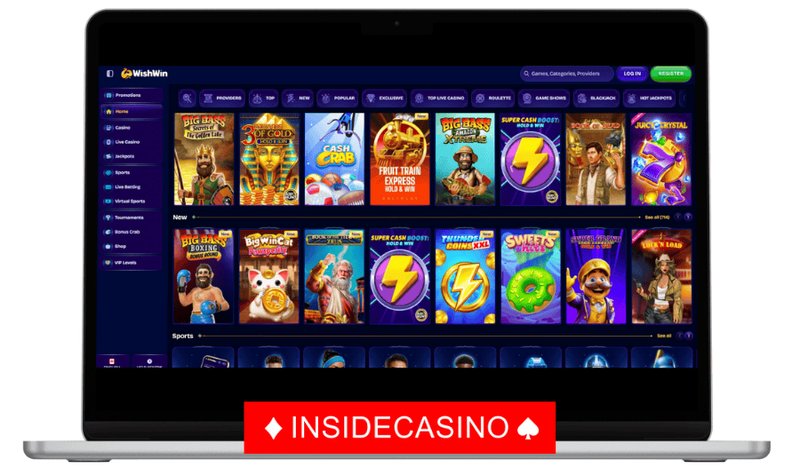
The boundaries between gaming and other forms of entertainment are blurring, and mobile technology is driving this trend. While playing a game on a smartphone is distinct from watching a movie or reading a book, the lines are becoming increasingly blurred. Take online gaming at wishwinscasino.net for example, where players can interact with each other in real-time, creating a sense of community and shared experience that’s not unlike watching a live sports event or playing a board game with friends.
The future of immersive gaming experiences isn’t just about the technology itself, but about how it enables new forms of storytelling, social interaction, and engagement. As we continue to push the boundaries of what’s possible with mobile gaming, we can expect to see even more innovative and immersive experiences emerge, changing the way we experience entertainment forever.
Conclusion
The rise of immersive gaming experiences through mobile technology is a story of innovation, creativity, and community. From the early days of basic games to the sophisticated experiences of today, mobile gaming has come a long way, and it will continue to shape the future of entertainment in ways we’re only just beginning to imagine.
Frequently Asked Questions
What makes immersive gaming on mobile devices so engaging?
Immersive gaming on mobile devices is engaging due to its portability, accessibility, and high-quality graphics, allowing users to seamlessly transition between gaming and real-life experiences.
How has the gaming industry utilized mobile technology to enhance user experiences?
The gaming industry has leveraged mobile technology by incorporating features such as augmented reality, cloud gaming, and AI-powered controls to enhance user experiences, offering more immersive and interactive gameplay.